
Subscribe and receive email notifications of new blog posts.
 RSS Feed
- 2024 | 10 Posts
- 2023 | 48 Posts
- 2022 | 48 Posts
- 2021 | 48 Posts
- 2020 | 49 Posts
- 2019 | 46 Posts
- 2018 | 52 Posts
- 2017 | 110 Posts
- 2016 | 78 Posts
- 2015 | 7 Posts
2
Outdoor Project for the Birds: Tips to Add a Feeder
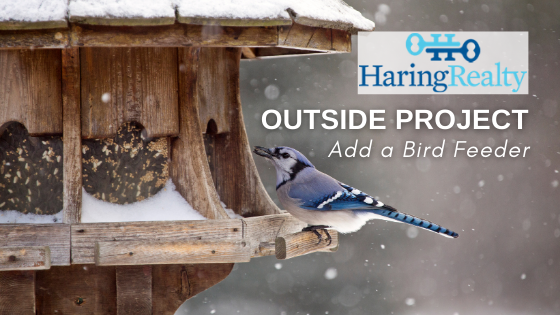
As you've spent most of the summer at home, have you been looking for extra projects to keep the family busy? Maybe you've listed your house among Mansfield homes for sale and have been getting your home shipshape for potential buyers, but you've still got time on your hands. Has the urge to feed your backyard birds flitted across your mind? Helping them out — especially as the weather gets colder — is a fine thing to do.
But it's not enough to toss out pieces of dried bread. Bread has no nutritional value for birds and can be harmful by filling them up so they don't eat the foods they need. If you're going to feed the birds, invest in good quality seed.
Here are some additional tips for helping your local feathered friends get the nutritional boost they need.
What Kind of Feeder?
The first thing you'll find when you go shopping for feeders is how many types there are. This is important because some feeders are suited to certain species more than others. You need to determine what kinds of birds visit your yard or are likely to visit if you have the proper feeder and food. Talk to your local Audubon Society or wildlife experts. It's best to visit a store where good quality feeders and seed are sold if you have one near you. If not, you can go online and study up on types of feeders.
Here are some of the kinds you might choose from:
- Covered feeder. These feeders help keep seed dry and can provide some cover for birds in bad weather. The feeder can be placed on a table so that ground-feeding birds are safer from lurking cats.
- Suet cage. These metal cages are designed for offering blocks of suet. Suet attracts woodpeckers, wrens, chickadees, nuthatches, and titmice.
- Tube feeders. Tube feeders can dispense black oil sunflower seeds. The softer black oil shells make these a better choice for many bird species than the striped sunflower seeds. They attract chickadees, cardinals, finches, titmice, and various songbirds.
- Nyjer seed feeders. These feeders are designed for birds such as goldfinches to sit on perches while eating tiny nyjer seed through mesh. Nyjer seed is a kind of thistle.
- Nugget feeder. Nugget feeders allow you to offer birds bigger pieces of food, such as peanuts and food nuggets through wider mesh.
Seasonal Changes of Food
You'll find that some birds may stick around your yard year-round, including blue jays, crows, chickadees, English sparrows, titmice, and some others. But others will be seasonal. Migratory birds may pass through in spring and fall; some migrants may hang out in your yard after they have nested and raised their infants. Still others may be winter visitors in our region, such as juncos, white-breasted nuthatches, goldfinches, and house finches.
Be sure that when you buy seed you opt for the kinds that will be appropriate for your seasonal visitors.
Additional Tips
Some additional tips to ensure your backyard birds' health and safety:
- Beware of using metal feeders or birdbaths in the bright sun. It can be too hot for the birds.
- Clean feeders occasionally with bleach to prevent your birds from picking up bacteria or diseases.
- Don't leave hummingbird sugar water out for long periods. It will spoil and sicken the hummers.
- Throw away old, wet seed that might be at risk for mold.
Our REALTORS® have many tips to help you sell your home. Contact us today.