
Haring Realty Blog
 RSS Feed
Subscribe and receive email notifications of new blog posts.
RSS Feed
- 2024 | 10 Posts
- 2023 | 48 Posts
- 2022 | 48 Posts
- 2021 | 48 Posts
- 2020 | 49 Posts
- 2019 | 46 Posts
- 2018 | 52 Posts
- 2017 | 110 Posts
- 2016 | 78 Posts
- 2015 | 7 Posts
Area News and Information | 16 Posts
Ashland Ohio | 2 Posts
Bellville Ohio | 3 Posts
Buy a House | 56 Posts
Community | 2 Posts
Distressed Properties | 9 Posts
Finance | 2 Posts
Galion Ohio | 1 Posts
Haring Realty | 1 Posts
Home Maintenance | 13 Posts
Home Maintenance Tips | 10 Posts
Homeownership | 109 Posts
Housing Market | 32 Posts
Housing Market | 89 Posts
Lexington Ohio | 2 Posts
Lucas Ohio | 2 Posts
Mansfield Ohio | 64 Posts
Marketing | 12 Posts
Money-Saving Tips | 1 Posts
Moving Tips | 4 Posts
Ontario, Ohio | 2 Posts
Richland County | 3 Posts
Sell Home | 4 Posts
Selling Your Home | 52 Posts
Shelby Ohio | 2 Posts
Tips for Buyers | 1 Posts
Tips for Sellers | 1 Posts
Uncategorized | 1 Posts
March
14
14
7 Tips to Start a Butterfly Garden This Spring
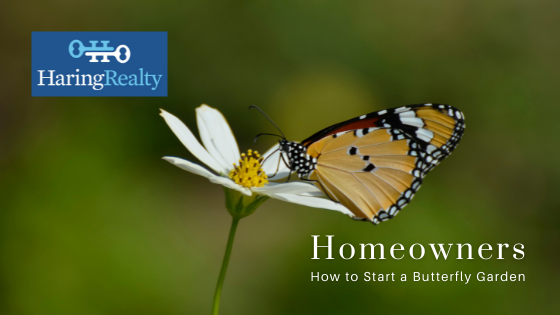
A butterfly garden is a perfect investment if you dream of a colorful and lively yard as you browse through Mansfield and Ashland homes for sale. Beyond adding color to your garden, butterflies are active pollinators and will enhance the health of your plants. A little planning is necessary to grow a successful butterfly garden, and you can start with the tips below.
- Research the Common Species in Your Area
You'll find it easier to create the ideal butterfly habitat if you know what attracts the common species in your location. Researchers have recorded over 130 species in Ohio, although the state has no official butterfly.
Some species only gather in certain parts of the state, while others, like monarch butterflies, occur in all counties. The wild blue lupine favors Northwest Ohio, while the falcate orangetip butterfly is abundant in eastern and southern Ohio. Other common species in the state are the painted lady and spicebush swallowtail. - Pick the Perfect Site
Pick a spot that invites at least six hours of full sun every day. Being cold-blooded insects, butterflies cannot regulate internal body temperature, and they need warmth from the sun to fly and feed.
Also, ensure that the butterfly garden's location isn't too breezy. If you want to view the garden from your house, plan a layout facing your patio or windows. - Choose Plants
Your butterfly garden needs both host and nectar plants. Host plants offer a place for butterflies to lay eggs and act as food sources for caterpillars, while nectar plants attract adult butterflies.
The milkweed is a popular host plant for monarchs but can become hard to control as it spreads by blowing seeds and rhizomes. Alternatives include butterfly weed, Queen Anne's lace, clover, watercress, nettle, and passionflower.
Some native nectar plants in Ohio include black-eyed Susan, sky blue aster, butterfly weed, and purple coneflower. Native plants are favorable because they require little maintenance and attract native butterfly species.
Plant various plants that differ in bloom time, color, and flower type to attract multiple species and keep them in the garden. For example, mix summer-blooming plants like daylilies with late-blooming varieties like sedum and flowers that blossom early in the year like lilacs. - Add Shelter
Carefully-placed shrubs and trees shelter your butterfly garden from the wind, encouraging insects to explore your site. Additionally, trees and shrubs offer shelter for the butterflies to hide from predators and roost at night.
Butterfly houses are also ideal areas for insects to rest and hibernate. You can carve a butterfly house from a wooden box and add a small opening. - Provide Water
Butterflies need puddling stations to stay hydrated and obtain minerals. The station can be as plain as a damp site of ground that you cover with sand or a shallow dish with water, sand or gravel, and small stones. Replenish the station when it's hot and keep it in a visible spot. - Place Rocks
Butterflies love to sunbathe, so large rocks in the garden's sunniest spot are great additions. You can catch the insects lying on flat rocks with their wings open early in the morning. - Avoid Pesticides
Most pesticides kill butterflies and other pollinators like bees and wasps. Organic pesticides are no better as they can disrupt the lifestyles of butterflies or kill them. Using native plants reduces the chances of pest invasion while attracting native butterfly species.
If your butterfly garden has pests, try pesticide-free controls, such as adding flowers that repel pests or blasting away small pests with small streams of water.
Our REALTORS® at Haring Realty are always ready to help with your real estate needs. Contact us today to learn more.