
Haring Realty Blog
 RSS Feed
Subscribe and receive email notifications of new blog posts.
RSS Feed
- 2024 | 10 Posts
- 2023 | 48 Posts
- 2022 | 48 Posts
- 2021 | 48 Posts
- 2020 | 49 Posts
- 2019 | 46 Posts
- 2018 | 52 Posts
- 2017 | 110 Posts
- 2016 | 78 Posts
- 2015 | 7 Posts
Area News and Information | 16 Posts
Ashland Ohio | 2 Posts
Bellville Ohio | 3 Posts
Buy a House | 56 Posts
Community | 2 Posts
Distressed Properties | 9 Posts
Finance | 2 Posts
Galion Ohio | 1 Posts
Haring Realty | 1 Posts
Home Maintenance | 13 Posts
Home Maintenance Tips | 10 Posts
Homeownership | 109 Posts
Housing Market | 32 Posts
Housing Market | 89 Posts
Lexington Ohio | 2 Posts
Lucas Ohio | 2 Posts
Mansfield Ohio | 64 Posts
Marketing | 12 Posts
Money-Saving Tips | 1 Posts
Moving Tips | 4 Posts
Ontario, Ohio | 2 Posts
Richland County | 3 Posts
Sell Home | 4 Posts
Selling Your Home | 52 Posts
Shelby Ohio | 2 Posts
Tips for Buyers | 1 Posts
Tips for Sellers | 1 Posts
Uncategorized | 1 Posts
April
17
17
Vegetable Gardening 101: Prep for Spring Planting
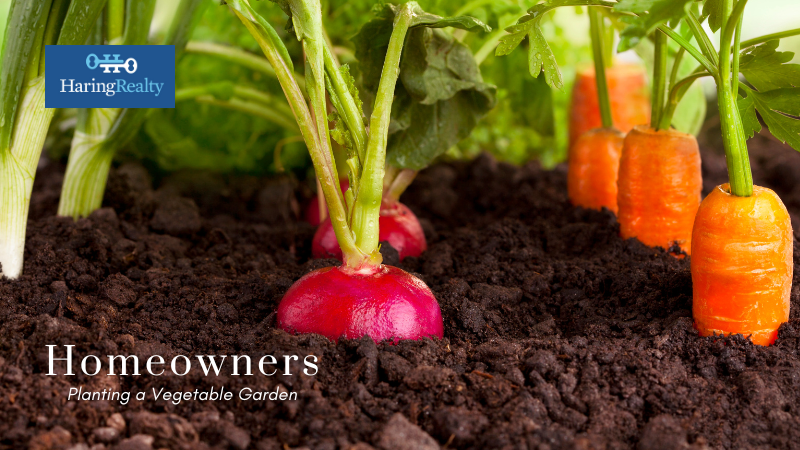
As we begin to see warmer weather around Crawford County and the surrounding areas, it's time to start prepping for a vegetable garden. If you haven't had a vegetable garden yet, it's high time you discovered the joys of growing your own delicious produce. Now that you're settling into the property you acquired from among Galion homes for sale, you'll enjoy finding new ways to enjoy your home—indoors and out. And to get you started, our REALTORS® have some advice for preparing your spring garden.
- Choose your site.
Choosing the right location for your vegetable garden can determine whether or not you're successful. Most vegetables will require 6-8 hours of sunlight a day. Leafy plants, such as spinach, chard, and other greens, can do with a bit more shade or dappled sunlight. Likewise, root vegetables such as potatoes, radishes, carrots, and beets can do with 3-4 hours of dappled sunlight.
Other considerations:- Find a level site.
- Make sure your site drains well and does not pond with water.
- Locate your garden near a water source.
- Make sure your garden is protected from the wind.
- Determine how big your garden will be.
You don't want your garden to be so big that you don't have time to care for it. If you're a beginning gardener, a raised bed set off by a frame that's 4 feet by 8 feet may be all you can handle. If you're more experienced and planting directly into the ground, you can probably handle a 10-by-10-foot garden.
Once you've determined site location and size, delineate it with stakes and twine, or you can even spray paint the border. Use a garden hose to mark it off if your garden will curve. Be sure to allow for pathways through your garden so you can weed, apply fertilizer, and harvest your vegetables. - Prepare your soil.
Break up the soil with a fork, digging 8 inches to a foot so that the roots of your plants can reach deeper into the ground. Then add 2 or 3 inches of compost or well-aged manure. This organic layer is crucial to the health of your plants. Level the garden.
In our region, it's recommended that you plant with raised beds. This helps the cold, wet soil dry out and warm up. Before planting, you can cover beds with black plastic to block light, which might encourage weeds and protect them from the elements. To create a raised bed, you may want to surround it with a frame. You can make a frame or buy it readymade at a home and garden store. - Before you plant, check the frost date.
Once your soil is prepared, hold off planting cold-sensitive plants until the last frost date for our area—May 2. You may be able to plant some vegetables earlier than others, such as corn, carrots, spinach, turnips, onions, lettuce, seed potatoes, and parsnips, which can be sown directly into the ground once it's no longer frozen. These plants can survive a slight frost or cover them with protective cloth or garden cloches.
Our knowledgeable real estate staff can answer your questions about buying or selling a home so you can watch your garden grow. Contact us today.